
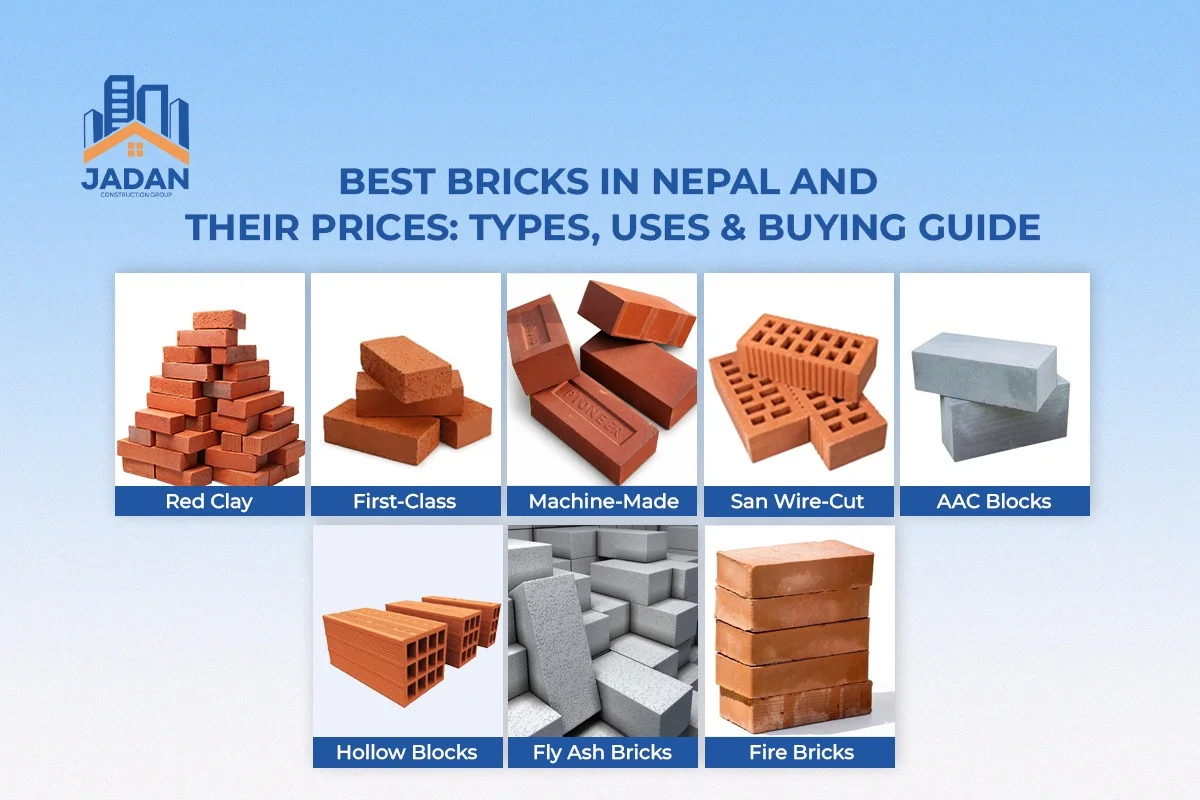
Choosing the right brick is one of the most important decisions when building a house in Nepal. The brick you choose affects wall strength, construction cost, finishing quality, moisture resistance, and long-term durability.
For most traditional homes, No.1 red clay bricks are still a reliable choice because they are strong, widely available, and familiar to local masons. For modern RCC buildings, AAC blocks and hollow blocks are also becoming popular because they are lighter and faster to install.
In this guide, we compare the best bricks in Nepal, including brick price in Nepal, uses, pros, cons, and quality-checking tips so you can choose the right option for your house construction project.
What Makes a Brick the “Best” for House Construction?
The “best” brick is not necessarily the most expensive brick. The ideal brick in Nepal depends on the type of structure being built. A perfect brick suitable for building walls carrying the load of a structure may not necessarily be appropriate for building partition or fence walls.
The following are important considerations when assessing the quality of bricks intended for house construction. Bricks used for load-bearing walls must be strong, while uniformity of shape will ensure straight walls.
Low water absorption indicates high-quality bricks. Well-burned or well-cured bricks exhibit fewer signs of cracking and erosion even after many years of use due to their ability to withstand the harsh conditions. One must look out for salt marks on bricks as they are a sign of poor-quality bricks.
Besides these attributes, one should also consider factors such as availability in your locality, the cost of transporting these bricks to your project site, whether the workforce at your construction site is experienced in laying these bricks, and, lastly, whether they complement your RCC building plan. Bricks are not only a material used in house construction, read our full guide on materials used in house construction in Nepal .
Types of Bricks Available in Nepal
There has been a considerable change in the construction industry in Nepal during the last ten years. Although the traditional choice is still red clay bricks, new options include AAC blocks, hollow blocks, and even machine-made bricks. The following table compares various kinds of blocks with their properties, advantages, disadvantages, and cost.
Red Clay Bricks
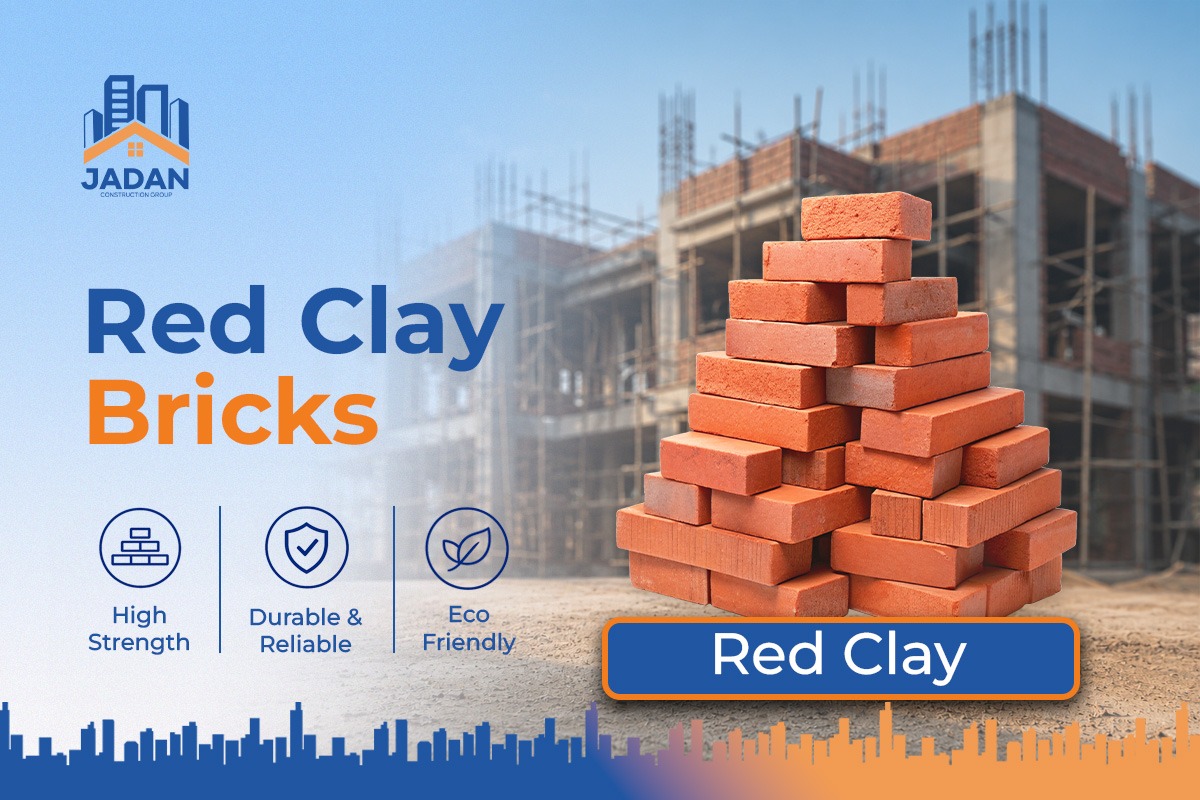
Red clay bricks are the most commonly used construction material in Nepal. The red clay bricks are made from clay soil through a process whereby they are moulded and baked in an oven to give them hardness. Red clay bricks are widely used by Nepali masons because they are easily available and have been used for many constructions in Nepal.
Red clay bricks differ significantly depending on the type of oven and the process of baking. Well-fired or baked red clay bricks that are of high quality are very strong and absorb less water, thus more durable. Such bricks emit a sharp sound when two bricks hit each other.
Pros:
- Can be found anywhere in Nepal, even in remote areas
- Sufficient strength for conventional wall construction
- Common knowledge among local bricklayers
- Cheaper than many contemporary block products
- Fits nicely with ordinary cement mortar and plaster
Cons:
- High differences in quality between kilns and suppliers
- Low-quality bricks tend to absorb water, making walls weak
- Bricks that are not burnt properly are more fragile and easier to crack
- Heavier than AAC blocks
Best for:
Walls in residential houses, boundary walls, partition walls, and other building works using genuine quality No.1 bricks.
Size: Usually 10″ × 5″ × 3″ (about 240 mm × 115 mm × 57 mm)
Red clay brick price in Nepal: Around NPR 14–25 per piece, based on quality, location, kiln production, and transport cost.
No.1 Bricks / First-Class Bricks
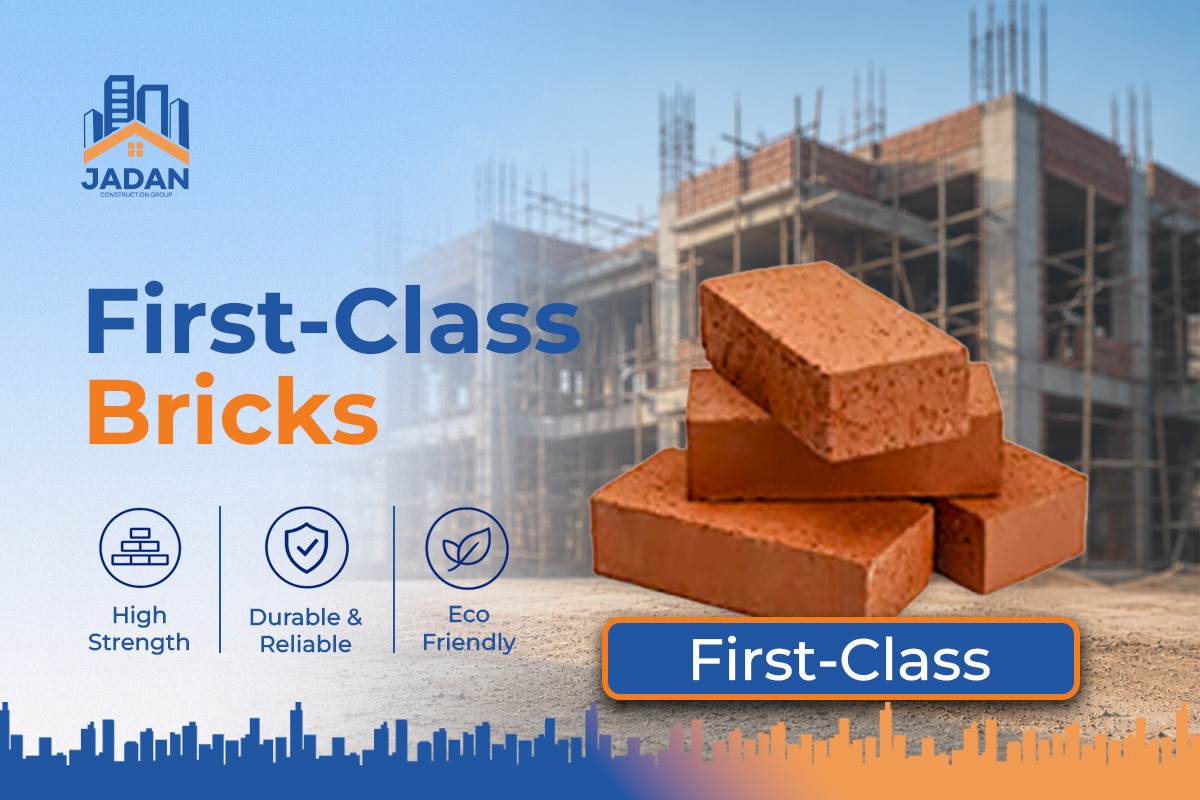
No.1 bricks form the best quality category of red clay bricks in Nepal. The bricks are well-burnt, have an even shape and size, and have minimal water absorption properties. Furthermore, the bricks create a metallic sound when knocked together. Such bricks form the benchmarks in terms of brick quality for constructing houses and are favoured by professional brick layers who value wall stability.
In most cases, clients prefer purchasing "No.1 bricks" to construct house walls rather than other grades of bricks. This is due to their ability to ensure the stability of the house and minimal wall damage. Although buying "No.1 bricks" can be more expensive compared to other brick types, it is worth it for building the walls of your house.
Pros:
- Good burning, consistent, and dependable for wall construction
- Have less water absorption compared to regular or unburnt bricks
- Make a ringing sound showing that they are of good quality
- Used by builders to make walls for the house
Cons:
- Costlier compared to regular clay bricks
- Heavy compared to new block materials
- There is no standardised labelling of good-quality products from various sellers
First-class brick price in Nepal: Approximately NPR 15-22+ per brick
Machine-Made Bricks
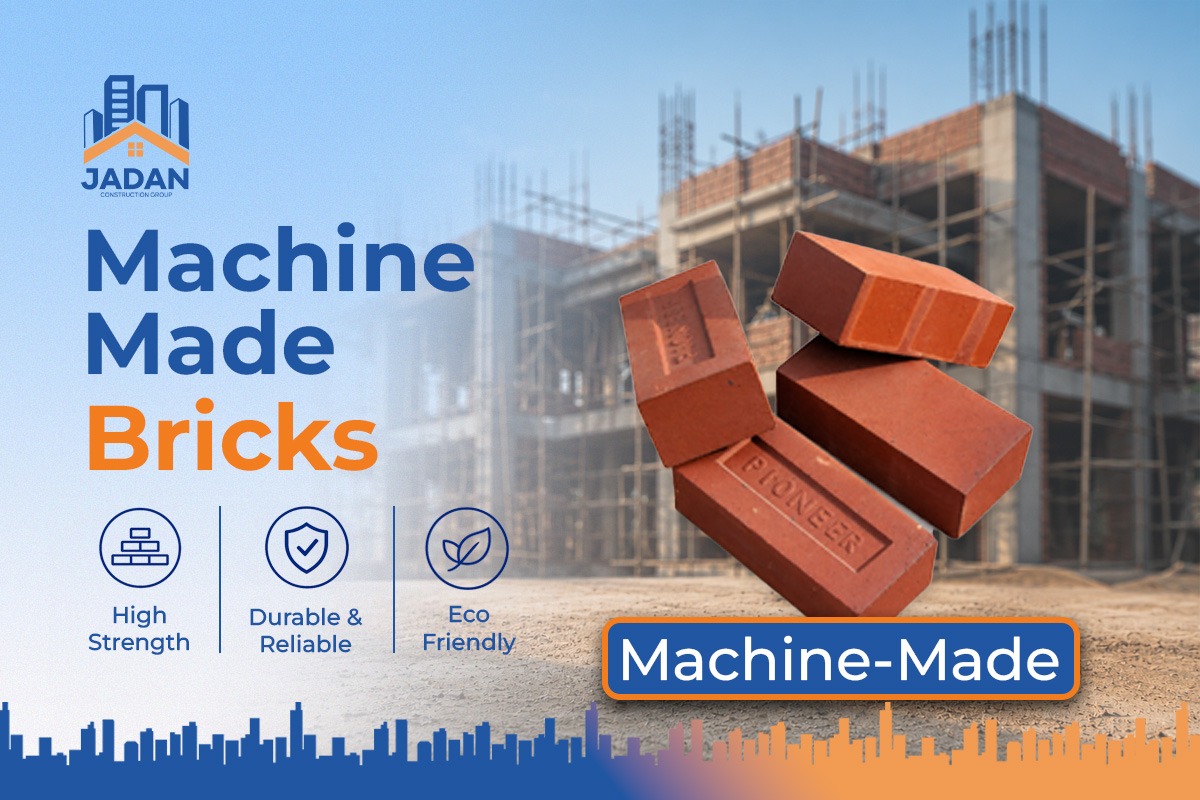
Machine-pressed and moulded bricks are manufactured through machinery, making them more evenly shaped and smooth with much more precise dimensions than clay bricks handmade by workers. They are becoming increasingly common within Nepal's urban construction industry for projects where clean-looking walls are desirable.
The consistency of shape and dimension of machine bricks means less mortar and effort are needed for the joints and cleaning, thus helping to lower construction expenses to an extent. However, while the cost of manufacturing is higher, the actual price of each unit remains slightly higher than that of basic hand-moulded clay bricks. Their use complements the use of RCC buildings in many ways.
Pros:
- Consistent shape and dimension to make clean walls
- Smooth exterior reduces the need for plastering
- More uniform in quality compared to handmade bricks from the same kiln
Cons:
- Costs are somewhat higher than hand-formed bricks
- Not easily available in rural areas
Machine-made brick price in Nepal: Approximately NPR 15,000–20,000 per 1,000 bricks.
Wire-Cut Bricks
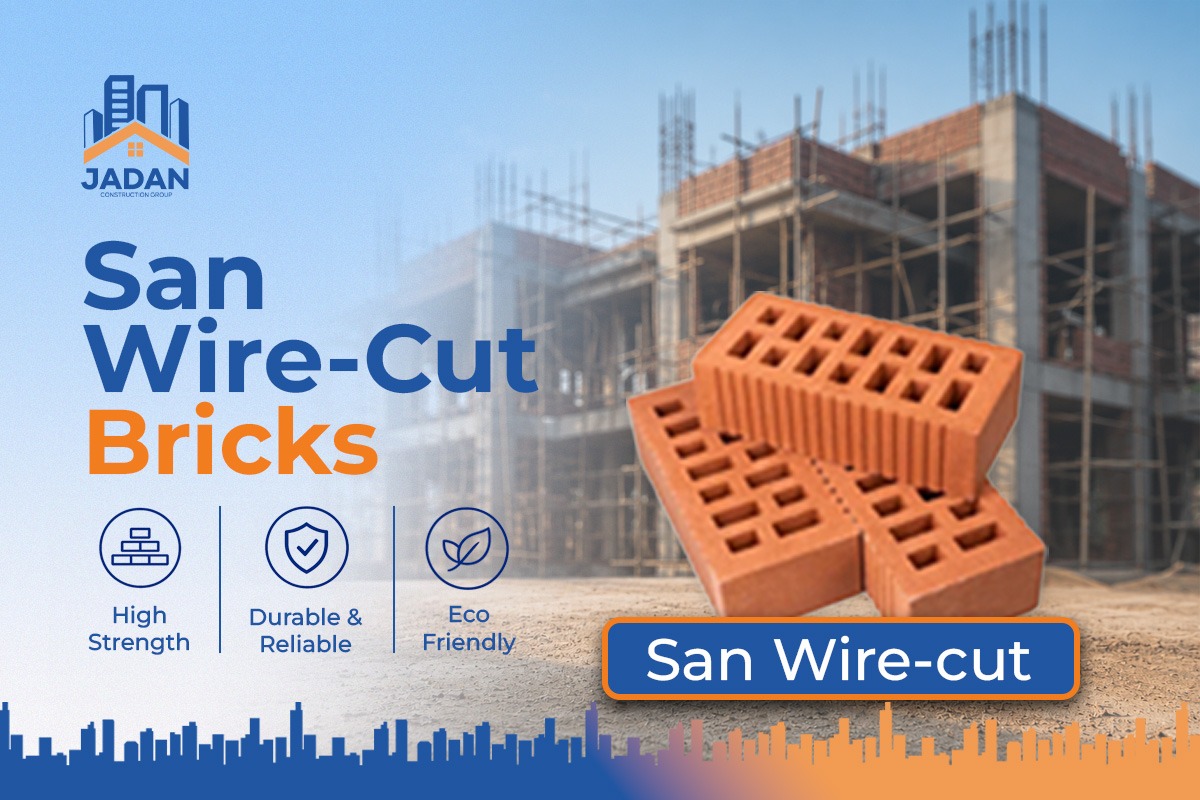
The wire-cut bricks are produced by forcing the clay through a die, followed by wire cutting of the extruded material. In this process, the production of bricks leads to the creation of a rough surface as well as consistent dimensions. Such bricks are typically used where the brickwork needs to be exposed or where an attractive appearance is desired.
Wire-cut bricks are increasingly being used in Nepal for urban residential buildings as well as hospitality industry developments, where the presence of exposed brickwork is integral to the design. They are sturdier and more consistent than most common handmade clay bricks; in addition, the surface texture is ideal for bonding with plaster and adhesives. However, they are comparatively expensive and harder to obtain outside of Kathmandu.
Pros:
- Highly uniform size and very neat-looking brick
- Texture allows easy bonding with mortar and adhesive substances
- Perfect choice for exposed brickwork architecture
Cons:
- More expensive than normal red clay bricks
- Not easily available in the rural market
Wire-cut brick price in Nepal: Approximately NPR 18,000–25,000 per 1,000 bricks.
AAC Blocks (Autoclaved Aerated Concrete Blocks)

AAC blocks are a modern lightweight building material that is made from cement, sand, lime, water, and an aerating agent, resulting in the production of millions of air bubbles in these blocks, hence making them lighter than the normal red brick. The AAC blocks have many benefits, such as being lighter than red bricks, having good thermal insulation qualities, and a faster building process because of their large size.
AAC blocks have seen great usage in Nepal, particularly in cities like Kathmandu, in the construction of RCC buildings, where dead load becomes a concern. Learn more about how RCC framing works in our complete guide on RCC house construction in Nepal.
Pros:
- Extremely lightweight, thus reducing the dead weight of RCC structures
- Improved insulation for better comfort inside the house
- Quick erection process due to the large sizes of blocks used
- Provides a smooth and even finish
- Uses less mortar than small clay bricks
Cons:
- Costlier per unit than red bricks made of clay
- Needs special mortar along with skilled labour for erection
- Not very easily available in the remote locations of Nepal
- Careful handling required since blocks might crack on impact
AAC block price in Nepal: Approximately NPR 125-250 per block.
Hollow Blocks / Hollow Concrete Blocks
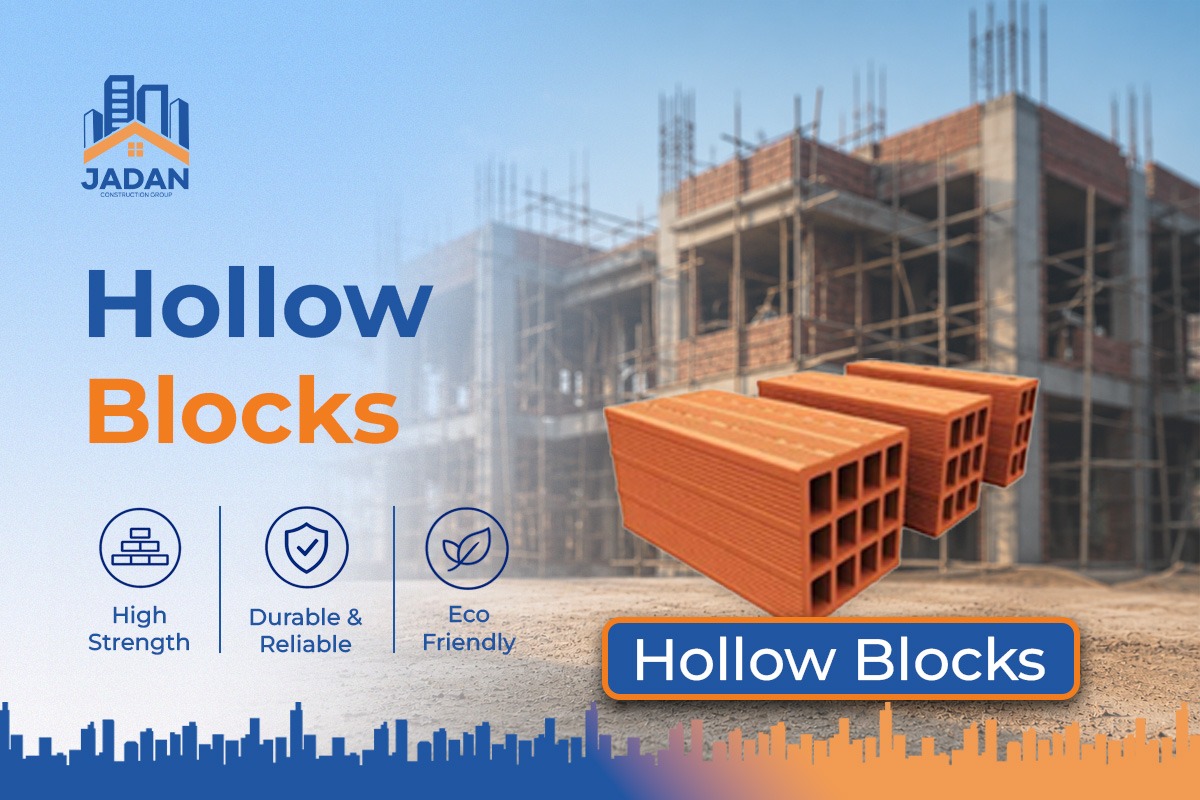
Hollow blocks consist of concrete with one or several cores passing through them. As a result of this construction, the weight of the block is reduced but still enough to be used in making partition walls, boundary walls, and even some other structural constructions. In Nepal, hollow blocks are widely used for constructing compound walls, partition walls, and commercial buildings.
As for the manufacturing process of hollow concrete blocks, it should be noted that in most cases, these blocks are produced domestically and in different densities and sizes. The large size of the blocks allows us to construct walls quickly and to make fewer joints. As for the quality of the blocks, it largely depends on the producer.
Pros:
- It is lighter than conventional concrete and red bricks
- It has larger dimensions, making wall construction quicker
- Appropriate for partition and boundary wall purposes
- Uses less mortar than small brick masonry
Cons:
- Its quality may vary from one local producer to another
- Not suited for all load-bearing purposes
- Requires curing before its installation
Hollow block price in Nepal: Roughly NPR 45-90 per unit, depending on size, type, and supplier.
Fly Ash Bricks
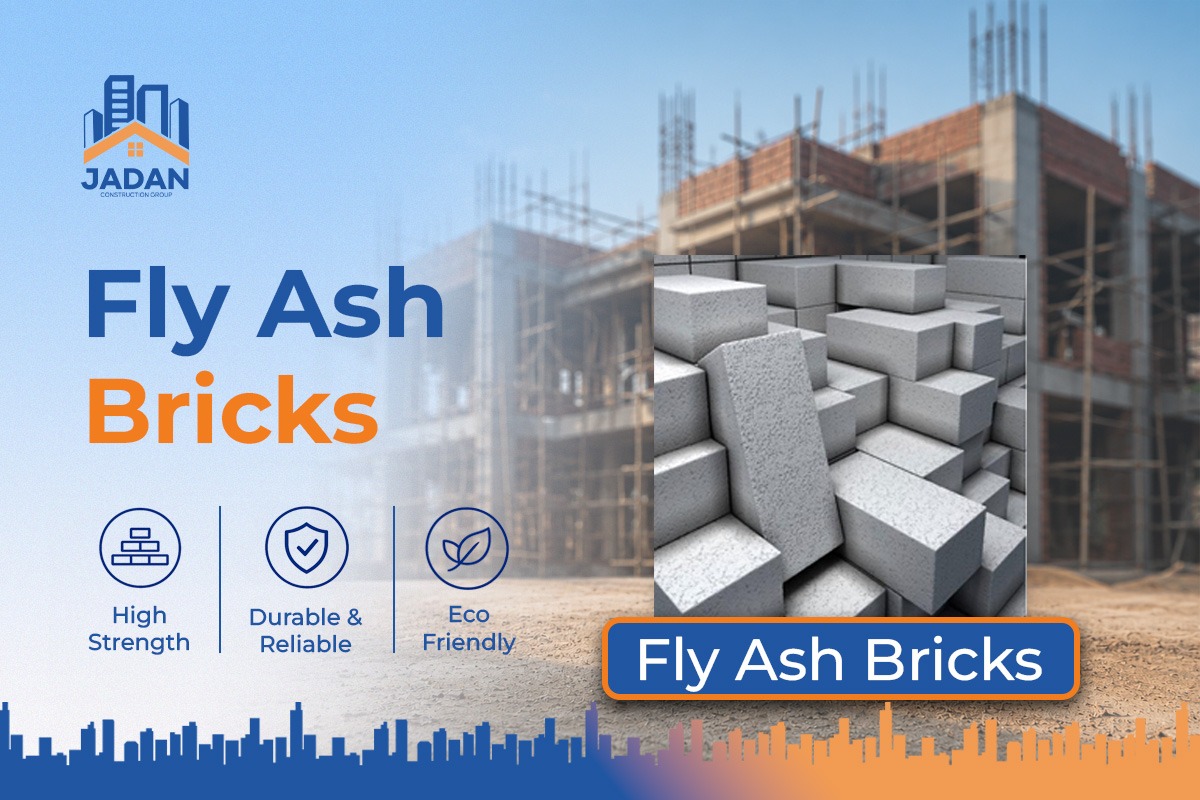
The Fly ash brick-making process includes fly ash, cement, sand, and water. The fly ash is an industrial waste product that results from coal burning. The bricks produced have even shapes compared to clay bricks, possess high compressive strength, and have relatively low water absorption.
However, fly ash bricks are not readily accessible in Nepal like red clay bricks or AAC blocks. In the recent past, their production has attracted much attention due to environmental concerns in construction planning. Therefore, when there is availability of the bricks in the market, they can be used if there is a need for dimensional stability and less water absorption.
Pros:
- Very strong compressive force and uniformity of shape
- Low water absorption rate compared to that of clay bricks
- An eco-friendly option to burnt clay bricks
Cons:
- Limited availability in Nepal
- Availability is based on the proper mixing method and manufacturing process
- Availability is limited only to selected urban sellers in Nepal
Fly ash brick price in Nepal: Price varies among suppliers. Check current rates from local suppliers.
Fire Bricks (Refractory Bricks)
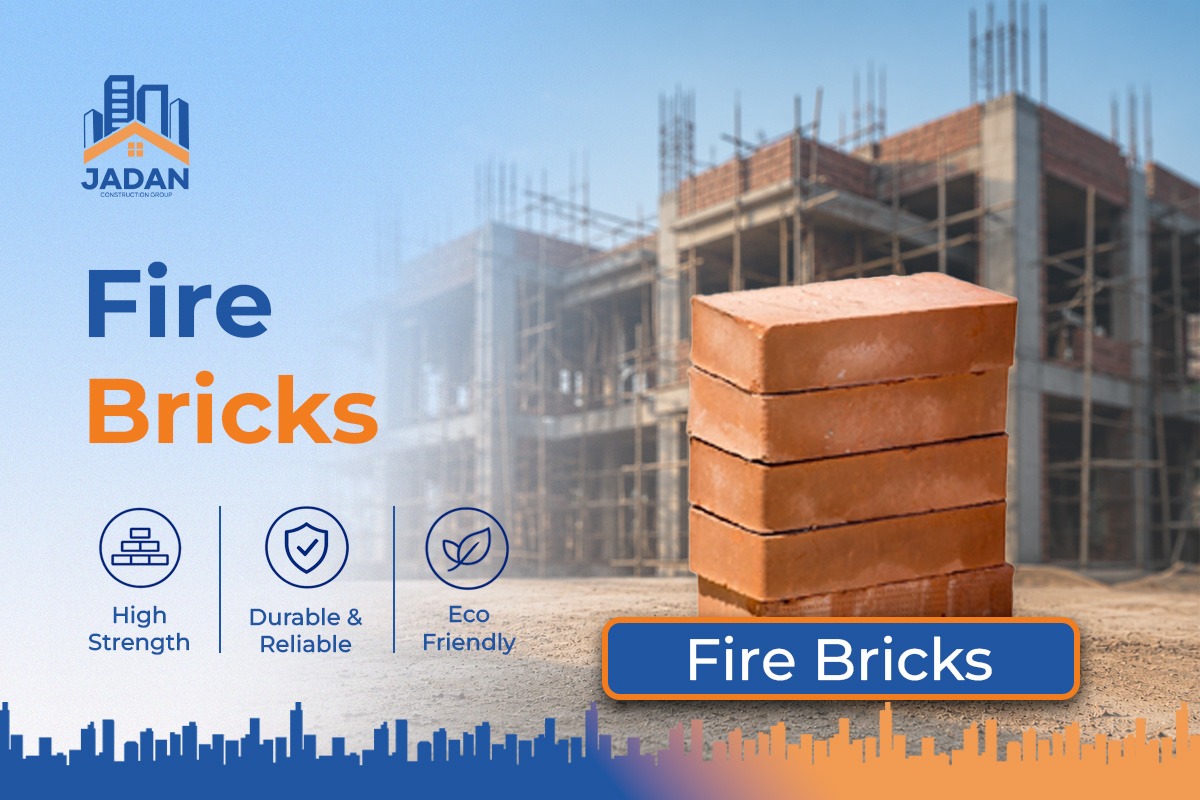
The fire bricks or the refractory bricks are specially manufactured to withstand extremely high temperatures without disintegration. The fire bricks are made from refractory clay so that they can withstand heat. The usage of fire bricks can be specialised for fireplaces, kilns, pizza ovens, industrial furnaces, and heat-resistant walls.
It is recommended not to use the fire bricks for general wall construction in the house. The fire bricks must be preferred where any sort of heat-resistant work needs to be done. As fire bricks are specifically made, they are comparatively expensive and fewer in quantity than the normal clay bricks. The use of fire bricks should always be referred to by engineers or contractors.
Best for: Fireplaces, kilns, heat-resistant walls, industrial furnaces, and wherever heat resistance may be required.
Fire brick price in Nepal: Approximately NPR 55 to 120 per piece.
Brick Price in Nepal (2025–2026 Reference)
Below is a list that breaks down the bricks and blocks in Nepal based on current market trends. It should be mentioned that the costs mentioned above are estimates and can fluctuate depending on several factors.
|
Brick Type |
Estimated Price in Nepal |
Best For |
|---|---|---|
|
Red clay brick |
NPR 14–25 per piece |
General house walls |
|
No.1 / First-class brick |
NPR 15–22+ per piece |
Stronger residential construction |
|
Machine-made brick |
NPR 15,000–20,000 per 1,000 |
Cleaner wall finish |
|
Wire-cut brick |
NPR 18,000–25,000 per 1,000 |
Exposed brick and premium finish |
|
Hollow block |
NPR 45–90 per piece |
Lightweight partition and boundary walls |
|
AAC block |
NPR 125–250 per unit approx. |
Modern RCC homes, partition walls |
|
Fire brick |
NPR 55–120 per piece |
Heat-exposed areas only |
Which Brick Is Best for Which Part of the House?
Not all types of bricks or blocks may be suitable for all portions of the house. Inappropriate utilization of construction materials at certain locations may result in problems with respect to moisture, weight, finishing, and waste of money. The table below will indicate which type of bricks can be used in different portions of the house.
|
Area |
Best Option |
Why |
|---|---|---|
|
Main house walls |
No.1 red bricks or AAC blocks |
Durable, commonly used, and structurally reliable |
|
Partition walls |
AAC blocks or hollow blocks |
Lightweight and faster to install |
|
Boundary wall |
Red bricks or concrete blocks |
Strong, widely available, and practical |
|
Exposed brick wall |
Wire-cut bricks |
Better appearance and surface consistency |
|
Heat-exposed areas |
Fire bricks |
Designed for heat resistance |
|
Budget construction |
Standard red bricks |
Affordable and widely available across Nepal |
|
Modern RCC home |
AAC blocks or quality No.1 bricks |
Lower dead load or stronger walling for RCC frames |
Important Points: The first important point to understand is that an earthquake-resistant house cannot be made with just one single brick/block. To build a safe home, know how earthquake-resistant houses are constructed in Nepal.
Factors That Affect Brick Prices in Nepal
There is no standard price for bricks in Nepal, which varies depending on a number of supply-related, transportation, and quality variables. Knowing why brick prices vary would help you make the right purchase choice.
Brick type and class are the two most common reasons for the difference in price. No.1 or machine-made bricks will cost more than the standard or under-burnt clay bricks, which come out of the same kiln due to the fact that their quality and standards are much higher.
It is important to know the kiln quality as not all the kilns in Nepal deliver a standardised quality of bricks. Therefore, the price of bricks from high-quality kilns, where there is strict temperature control while burning bricks, is higher than average.
Transport cost is a significant variable in Nepal because of its geographical diversity. Bricks bought from nearby kilns are less costly compared to those located in the hilly districts.
There exists a seasonal demand effect on the prices. There is typically high activity in building during winter and post-monsoon periods; thus, there is a high demand for bricks, and hence prices may rise due to transportation issues during the rainy season.
Quantity also affects the prices. The price is typically lower when there is a bulk order for bricks from a single supplier. The breakage and waste costs should be taken into account while making plans on costs, because some percentage of bricks will not be usable once transported.
Bricks may differ in terms of the amount of labour and mortar needed to construct a wall. For a full breakdown of how material choices affect the total budget of the house, see our guide on house construction cost in Nepal.
How to Check Brick Quality Before Buying
Another typical mistake that people make while constructing homes in Nepal is buying bricks without checking the quality. Buying poor-quality bricks will cause weak wall construction along with moisture problems. Here are some basic tests that you can conduct at your end before ordering the bulk quantity.
- Look for sharp edges and corners. A good-quality burnt brick will have well-defined corners and edges with no odd shape or crumbling.
- If you strike two bricks against each other, you will get a loud noise with good-quality bricks, but if the bricks are of poor quality, then you won’t get that sharp sound.
- Check the brick surface and see if there is anything missing from it, like cracks, broken surfaces, or any chips.
- Check if there is some white substance visible on the surface of the brick.
- Check the batch for any inconsistencies in terms of sizes. This will create problems in laying out the brickwork.
- Use your nail to scratch the brick surface. Good-quality brick shouldn’t crack easily.
- Do not buy bricks with signs of high moisture absorption capacity.
Common Mistakes to Avoid When Choosing Bricks
There is a large number of home builders in Nepal who decide about bricks just on the basis of cost or just because the neighbour used those bricks without knowing if it suits their construction work. These types of decisions are risky and very costly for later correction.
- Deciding on bricks based on their cost only, without considering quality. Such bricks become expensive due to their low durability.
- Using bricks of different sizes on the same wall.
- Buying under-burnt bricks because they look similar to good bricks. Always do a ring test and surface check before purchase.
- Ignoring transport and breakage costs in your budget. A cheap brick from a distant kiln can become expensive once transport and wastage are added.
- Using decorative bricks for structural walling without engineering advice. Not all bricks with a good surface finish are structurally appropriate.
- Not checking for moisture or salt damage in stored bricks. Bricks left in poor storage conditions before delivery can be compromised.
- Using the wrong block type in wet or high-moisture areas without checking waterproofing compatibility.
- Not consulting your structural engineer before finalising the wall material. Different brick or block types affect structural calculations, load distribution, and RCC detailing.
Best Bricks for House Construction in Nepal
For normal houses in Nepal, No.1 red clay bricks can be counted upon to provide an assured solution for masons who know how to use them. These bricks are not only known to everyone, but they are also readily available everywhere and can work well structurally with residential walls. But for RCC houses, where lightweight construction is important along with speed and insulation, AAC blocks and hollow blocks provide a great alternative.
The final decision depend on various factors such as construction designs, structural aspects, budgets, availability of suppliers in proximity, and above all, opinions from your engineer/contractor.
Why Choose Jadan Construction Group for Material Selection?
Selecting suitable bricks is only one element of creating an efficient, strong, and affordable home in Nepal. Jadan Construction Group offers complete services ranging from planning to the finalisation of construction projects for both residential and commercial buildings. Part of the Jadan Construction Group's services includes assisting clients in selecting construction materials prior to commencing the construction process.
The team at Jadan places emphasis on earthquake-resistant construction processes, material quality control, and cost estimation. Unlike other firms that simply recommend the most affordable material or the priciest one, Jadan recommends materials that suit your budget, structure, and durability expectations.
Whether it is RCC structural construction or interior and exterior designs, Jadan will help you pick out suitable materials at all stages of construction. This will result in less confusion during the building process, minimized cost fluctuations, and efficient construction for the client.
Need help choosing the right bricks for your home? Get a free material consultation from Jadan Construction Group before you buy.
Frequently Asked Questions
What is the best brick for house construction in Nepal?
The most commonly favored type of brick that is used for general home building in Nepal would be No.1 red clay bricks since they are easily accessible and well-known among masons and have proven themselves as being durable when their quality is tested. However, in modern-day homes made of RCC where lightness and better insulation properties are important, AAC blocks and hollow blocks would also make good options.
What is the current brick price in Nepal?
Bricks made out of red clay in Nepal at present vary between NPR 14 and 25 per unit based on their quality, the type of kiln, region, and transportation charges. Bricks that are of No.1 quality usually cost NPR 15 to 22 or even higher per unit. AAC blocks cost about NPR 125 to 250 per unit. Hollow blocks usually cost NPR 45 to 90 per unit.
Are AAC blocks better than red bricks?
The AAC blocks are lighter and easier to put together than the traditional red bricks, which also offer better insulation properties. The latter are quite common and easily accessible in Nepal, along with being cheaper on a piece-for-piece basis. There are pros and cons in both types of building materials. It all boils down to what suits you best.
Which bricks are best for partition walls?
The AAC blocks and hollow concrete blocks will be the best choice for constructing partition walls in Nepal. The reason is that these blocks are very light in weight and faster to build with than the small clay bricks. Moreover, they reduce the dead load on the floor structure.
How do I check brick quality before buying?
Hit two bricks against each other and hear a resonant sound. Examine for sharp edges and no chips at the corners. Ensure uniformity of size in the whole lot. Reject those with salty marks, cracks, or a thudding sound when hit. Perform a scratch test to verify that the brick does not readily crumble on scratching. Purchase only from a trusted vendor after consulting your architect/engineer.
Are hollow blocks good for house construction in Nepal?
Hollow concrete blocks are considered as an appropriate choice for certain applications in Nepal. Such applications include use as a partition wall, boundary wall, and some lightweight walls for commercial buildings. This is because the blocks are relatively bigger than clay bricks and therefore easier to install and use less mortar. Nonetheless, quality varies from one manufacturer to another.
How many bricks are needed for a house in Nepal?
There is no fixed amount of bricks needed. Usually, the number of bricks estimated for building a house in Nepal ranges between 12,000 and 20,000. However, this can only be confirmed once we have thoroughly reviewed the final drawings you have prepared.